Managing Health Concerns While on Hajj Pilgrimage
Stay healthy and safe during your sacred journey with practical tips, guidance, and precautions to care for your body and spirit throughout Hajj.
Managing Health Concerns While on Hajj Pilgrimage
Stay healthy and safe during your sacred journey with practical tips, guidance, and precautions to care for your body and spirit throughout Hajj.

Health
Sep 18, 2025
7 minutes
Summary
Hajj is one of the most spiritually profound journeys in a Muslim’s life, yet it also presents significant physical and logistical challenges. Managing health concerns during Hajj is essential for ensuring that pilgrims can perform their rituals safely, comfortably, and effectively. A well-prepared pilgrim focuses on preventive care, physical readiness, and awareness of potential health risks.
Stay Hydrated at All Times
Staying hydrated during Hajj is one of the most important aspects of maintaining good health throughout the pilgrimage. The rituals of Hajj involve long hours outdoors, walking between holy sites under the blazing sun, and being surrounded by large crowds—all of which can quickly lead to dehydration if you’re not careful.
During Hajj, temperatures in Saudi Arabia can rise above 40°C (104°F), making water your most essential companion. Drink small amounts frequently, even if you don’t feel thirsty. Thirst is a late sign of dehydration—by the time you feel it, your body is already losing vital fluids. Carry a refillable water bottle at all times and take advantage of the free Zamzam water stations located throughout the holy sites.
Summary
Hajj is one of the most spiritually profound journeys in a Muslim’s life, yet it also presents significant physical and logistical challenges. Managing health concerns during Hajj is essential for ensuring that pilgrims can perform their rituals safely, comfortably, and effectively. A well-prepared pilgrim focuses on preventive care, physical readiness, and awareness of potential health risks.
Stay Hydrated at All Times
Staying hydrated during Hajj is one of the most important aspects of maintaining good health throughout the pilgrimage. The rituals of Hajj involve long hours outdoors, walking between holy sites under the blazing sun, and being surrounded by large crowds—all of which can quickly lead to dehydration if you’re not careful.
During Hajj, temperatures in Saudi Arabia can rise above 40°C (104°F), making water your most essential companion. Drink small amounts frequently, even if you don’t feel thirsty. Thirst is a late sign of dehydration—by the time you feel it, your body is already losing vital fluids. Carry a refillable water bottle at all times and take advantage of the free Zamzam water stations located throughout the holy sites.
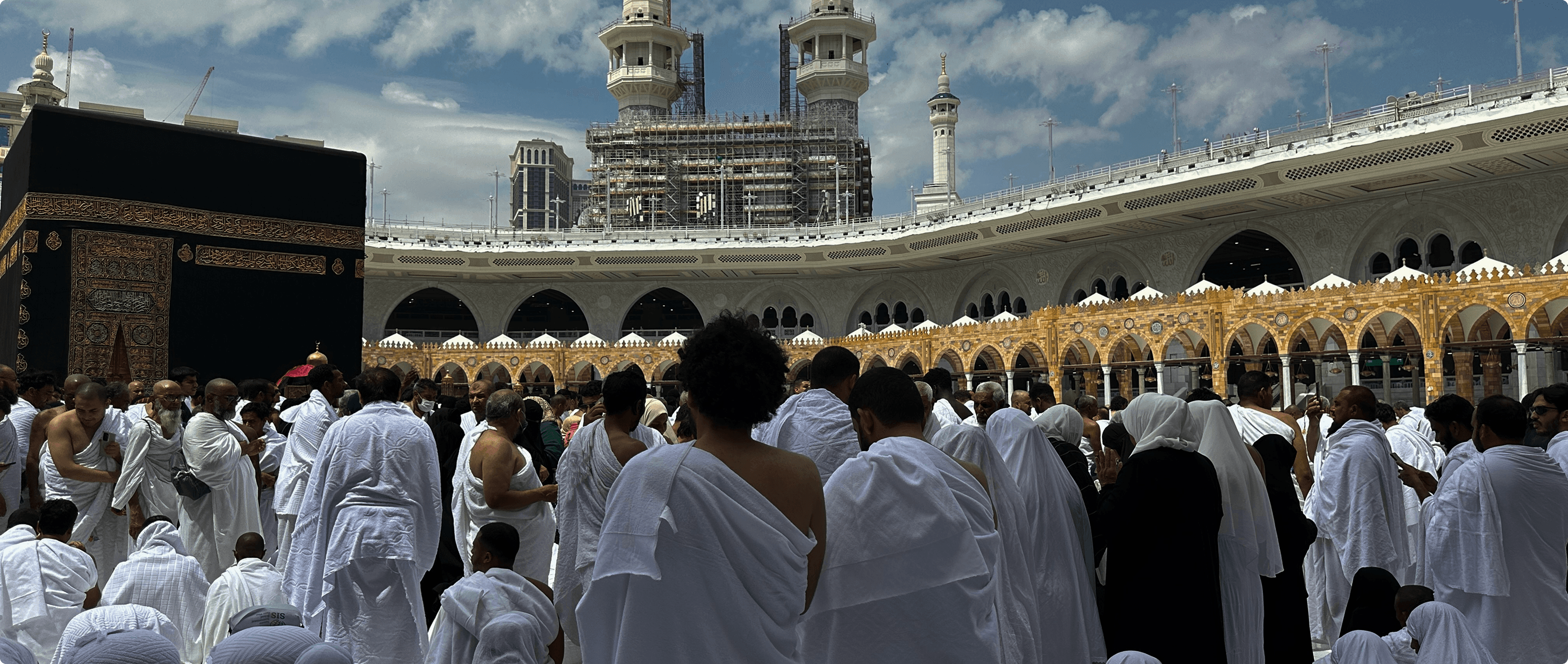
Protect Yourself from Heat and Sun
The intense desert heat during Hajj can pose serious health risks, especially for pilgrims who spend long hours outdoors performing rituals. Temperatures often soar above 40°C (104°F), and prolonged exposure to the sun can lead to heat exhaustion, dehydration, or even heatstroke. Taking proactive steps to protect yourself from the heat ensures a safe and comfortable pilgrimage.
One of the most effective ways to stay safe is to minimize direct sun exposure whenever possible.
Perform rituals during cooler parts of the day—early morning or late afternoon
Always carry an umbrella or wide-brimmed hat to shield yourself from direct sunlight. Lightweight, breathable,
loose-fitting clothing made of cotton or linen helps your body stay cool and allows sweat to evaporate naturally.
Sunscreen is also essential.
Apply a broad-spectrum sunscreen with at least SPF 30 to all exposed skin areas before leaving your accommodation.
Reapply every few hours, especially after sweating or washing.
This helps prevent sunburn, which can cause discomfort and fatigue during the pilgrimage.
Staying hydrated is key to regulating body temperature.
Be aware of the warning signs of heat exhaustion—dizziness, nausea, rapid heartbeat, headache, or confusion. If you or someone near you experiences these symptoms, seek immediate medical attention or rest in a cool place while sipping water slowly.
Impact on User Experience
Health management begins weeks before travel. Pilgrims should undergo full medical examinations, assess chronic conditions such as asthma, diabetes, or heart issues, and consult physicians for medication adjustments. Vaccinations, including influenza and meningitis, are highly recommended. Physical conditioning is essential; simple exercises such as walking,
"Caring for your health during Hajj is essential for a safe and meaningful pilgrimage. By staying hydrated, resting when needed, and practicing mindful hygiene, pilgrims can focus on devotion and reflection, turning every step of the journey into a spiritually fulfilling experience."
Protect Yourself from Heat and Sun
The intense desert heat during Hajj can pose serious health risks, especially for pilgrims who spend long hours outdoors performing rituals. Temperatures often soar above 40°C (104°F), and prolonged exposure to the sun can lead to heat exhaustion, dehydration, or even heatstroke. Taking proactive steps to protect yourself from the heat ensures a safe and comfortable pilgrimage.
One of the most effective ways to stay safe is to minimize direct sun exposure whenever possible.
Perform rituals during cooler parts of the day—early morning or late afternoon
Always carry an umbrella or wide-brimmed hat to shield yourself from direct sunlight. Lightweight, breathable,
loose-fitting clothing made of cotton or linen helps your body stay cool and allows sweat to evaporate naturally.
Sunscreen is also essential.
Apply a broad-spectrum sunscreen with at least SPF 30 to all exposed skin areas before leaving your accommodation.
Reapply every few hours, especially after sweating or washing.
This helps prevent sunburn, which can cause discomfort and fatigue during the pilgrimage.
Staying hydrated is key to regulating body temperature.
Be aware of the warning signs of heat exhaustion—dizziness, nausea, rapid heartbeat, headache, or confusion. If you or someone near you experiences these symptoms, seek immediate medical attention or rest in a cool place while sipping water slowly.
Impact on User Experience
Health management begins weeks before travel. Pilgrims should undergo full medical examinations, assess chronic conditions such as asthma, diabetes, or heart issues, and consult physicians for medication adjustments. Vaccinations, including influenza and meningitis, are highly recommended. Physical conditioning is essential; simple exercises such as walking,
"Caring for your health during Hajj is essential for a safe and meaningful pilgrimage. By staying hydrated, resting when needed, and practicing mindful hygiene, pilgrims can focus on devotion and reflection, turning every step of the journey into a spiritually fulfilling experience."